Published on July 22, 2026, 8:08 pm
US Approves Landmark Civil Nuclear Agreement with Saudi Arabia, Opening Pathway for Domestic Uranium Enrichment
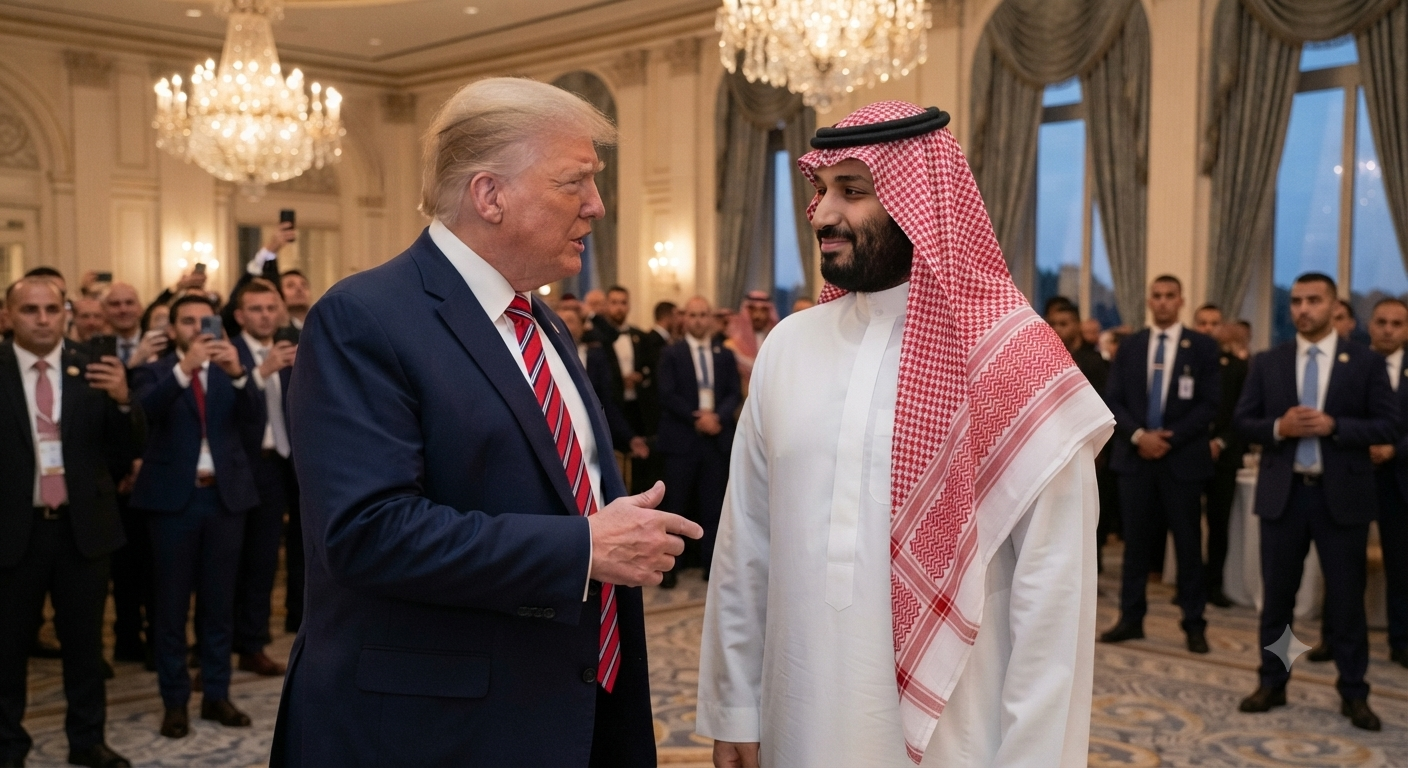
US Approves Landmark Civil Nuclear Agreement with Saudi Arabia, Opening Pathway for Domestic Uranium Enrichment
The United States and Saudi Arabia have reached a major 30-year civil nuclear agreement that establishes a framework for American corporations to help build and develop the kingdom's civilian nuclear energy program.
Key Highlights of the Agreement
Uranium Enrichment Potential: The deal creates a potential pathway for Saudi Arabia to develop domestic uranium enrichment capabilities on its own soil, following a joint U.S.-Saudi feasibility study.
Involvement of U.S. Firms: The arrangement is designed to position U.S. companies—such as legacy nuclear giant Westinghouse—at the forefront of constructing Saudi Arabia's nuclear sector while largely keeping out foreign competitors.
Energy Needs: The civilian program is aimed at supplying massive energy requirements, particularly to support growing technological infrastructures like AI data centers, while helping the kingdom diversify its economy away from oil.
Congressional Review and Global Safeguards
The Trump administration is expected to officially submit the pact to Congress for review. While proponents emphasize that the deal strengthens bilateral economic and strategic ties and incorporates safeguards to block weapons-grade enrichment, the agreement has drawn scrutiny from non-proliferation experts. Critics note that the pact omits certain aggressive international inspection standards—such as the International Atomic Energy Agency's (IAEA) Additional Protocol—sparking debate among lawmakers regarding regional security and nuclear proliferation.
The United States and Saudi Arabia have reached a major 30-year civil nuclear agreement that establishes a framework for American corporations to help build and develop the kingdom's civilian nuclear energy program.
Key Highlights of the Agreement
Uranium Enrichment Potential: The deal creates a potential pathway for Saudi Arabia to develop domestic uranium enrichment capabilities on its own soil, following a joint U.S.-Saudi feasibility study.
Involvement of U.S. Firms: The arrangement is designed to position U.S. companies—such as legacy nuclear giant Westinghouse—at the forefront of constructing Saudi Arabia's nuclear sector while largely keeping out foreign competitors.
Energy Needs: The civilian program is aimed at supplying massive energy requirements, particularly to support growing technological infrastructures like AI data centers, while helping the kingdom diversify its economy away from oil.
Congressional Review and Global Safeguards
The Trump administration is expected to officially submit the pact to Congress for review. While proponents emphasize that the deal strengthens bilateral economic and strategic ties and incorporates safeguards to block weapons-grade enrichment, the agreement has drawn scrutiny from non-proliferation experts. Critics note that the pact omits certain aggressive international inspection standards—such as the International Atomic Energy Agency's (IAEA) Additional Protocol—sparking debate among lawmakers regarding regional security and nuclear proliferation.
Comments (0)
No comments yet. Be the first one to comment!